5 Ways to Keep Your Cats & Dogs Entertained While You Work From Home
Working from home sounds like a dream—until your dog drops a slobbery tennis ball in your lap during a meeting or your cat decides your keyboard is the coziest bed in the house. Keeping your pets entertained throughout the workday helps prevent boredom, encourages healthy habits, and lets you actually get some work done.
1. Create a Rotation of Toys
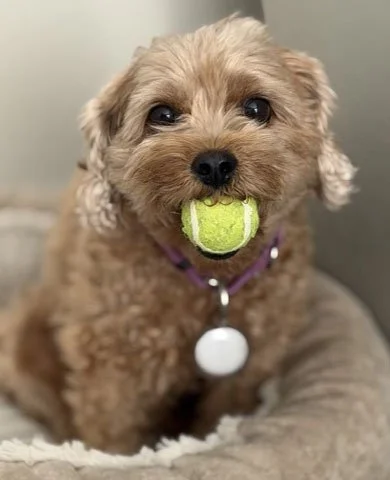
Instead of leaving every toy out all the time, rotate them every few days. "New" toys are much more exciting, even if they've just been hiding in the closet for a week. Puzzle feeders, treat-dispensing toys, cat wands, and durable chew toys all help keep curious minds busy.
2. Schedule Mini Play Breaks
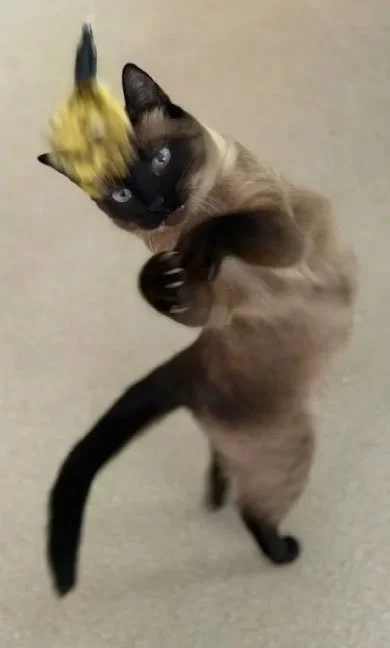
A quick 10–15 minute play session before work, during lunch, or between meetings can make a huge difference. Toss a ball, play tug, or bring out the laser pointer or feather wand. Those short bursts of activity help burn energy and reduce the chances of your pet inventing their own entertainment (like redecorating your living room).
3. Give Them a Window to the World
Many pets love watching birds, squirrels, neighbors, and passing cars. Set up a comfy perch for your cat or a cozy bed near a window for your dog. You can even add a bird feeder outside to create your own version of pet TV. Some pets also enjoy a little background entertainment. Try calming music, nature sounds, or pet TV featuring birds, squirrels, or fish. It can provide extra stimulation, especially if they're home alone for part of the day.
4. Make the Backyard an Adventure
If you have a fenced yard, hide a few treats, scatter toys, or create a simple obstacle course for your dog to explore. For cats, a secure catio or supervised outdoor time can offer exciting new sights, sounds, and smells.
5. When in Doubt... Call in the Fun Squad!
Some workdays are packed with meetings, deadlines, and zero wiggle room—and that's where we come in! Let Glad Wags swoop in for a midday adventure. Whether your pup is ready to stretch those legs on a fun walk or your feline friend deserves a check-in, cuddles, and care, we'll keep tails wagging and whiskers happy while you're busy conquering your inbox. Your pets get a break, you get peace of mind, and everyone wins. That's what we call a paws-itively productive workday!
Spring Into Safety: Bloat Awareness
As temperatures begin to rise in May and we head into the warmer months, it’s important for dog owners to stay alert to seasonal health risks. One serious and potentially life-threatening condition that becomes especially relevant during warmer weather is bloat, also known as Gastric Dilatation-Volvulus (GDV).
As temperatures begin to rise in May and we head into the warmer months, it’s important for dog owners to stay alert to seasonal health risks. One serious and potentially life-threatening condition that becomes especially relevant during warmer weather is bloat, also known as Gastric Dilatation-Volvulus (GDV).
Bloat occurs when a dog’s stomach fills with gas, food, or fluid, causing it to expand. In severe cases (GDV), the stomach can twist, cutting off blood flow and trapping contents inside. This situation escalates quickly and requires immediate veterinary attention.
As we head into the summer months, several seasonal changes can contribute to a higher likelihood of bloat:
Increased Activity Levels
Dogs tend to be more active in warmer weather. Running, jumping, or playing intensely—especially shortly before or after eating—can increase the risk of stomach twisting.
Changes in Eating and Drinking Habits
Hot weather often leads to increased water intake. While hydration is essential, drinking large amounts of water too quickly (especially around mealtime) can contribute to stomach expansion.
Altered Routines
Spring and summer schedules can be less structured. Travel, outdoor events, and irregular feeding times may disrupt your dog’s normal digestion patterns.
Heat and Stress
Heat itself can stress a dog’s body. Combined with excitement (like visitors, trips, or new environments), stress may play a role in triggering bloat in susceptible dogs.
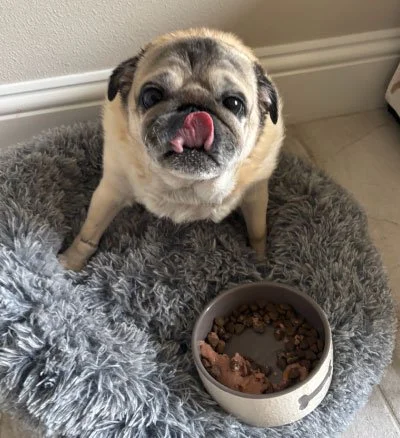
Bloat can develop rapidly, sometimes within hours. Knowing the signs can save your dog’s life:
A swollen or distended abdomen
Restlessness or pacing
Unsuccessful attempts to vomit
Excessive drooling
Rapid breathing or signs of discomfort
Weakness or collapse (in severe cases)
If you notice any of these symptoms, seek emergency veterinary care immediately.
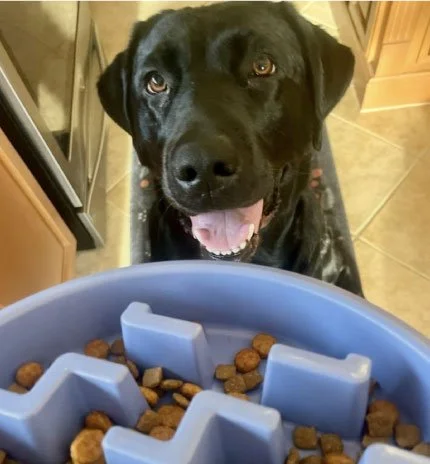
There are practical steps you can take to reduce the risk:
Avoid Exercise Around Mealtime
Wait at least 30–60 minutes before and after meals before allowing vigorous activity.
Encourage Slow Eating and Drinking
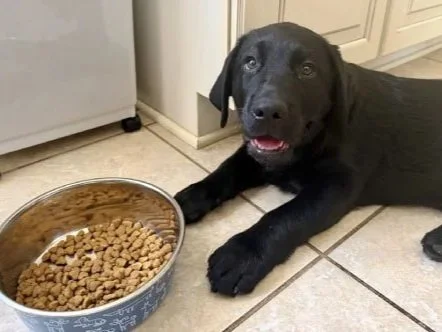
Use slow-feed bowls or puzzle feeders to prevent gulping. Offer water regularly, but discourage rapid over consumption.
Limit Stress During Hot Weather
Provide a cool, calm environment, especially during peak heat hours. Avoid overexertion and keep outdoor activities moderate.
May marks the beginning of a more active, outdoor-focused season—but it’s also a time to stay mindful of hidden health risks like bloat. By keeping routines consistent, monitoring your dog’s behavior, and making small adjustments to feeding and activity habits, you can help ensure your dog stays safe and happy as temperatures rise.
References: