5 Ways to Keep Your Cats & Dogs Entertained While You Work From Home
Working from home sounds like a dream—until your dog drops a slobbery tennis ball in your lap during a meeting or your cat decides your keyboard is the coziest bed in the house. Keeping your pets entertained throughout the workday helps prevent boredom, encourages healthy habits, and lets you actually get some work done.
1. Create a Rotation of Toys
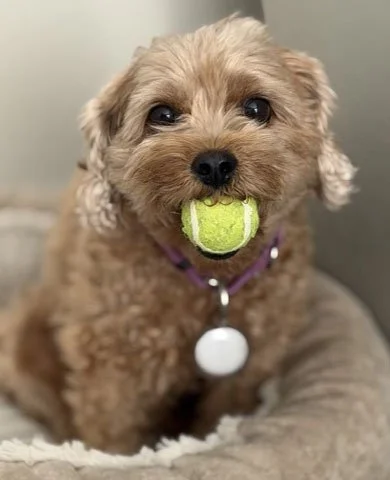
Instead of leaving every toy out all the time, rotate them every few days. "New" toys are much more exciting, even if they've just been hiding in the closet for a week. Puzzle feeders, treat-dispensing toys, cat wands, and durable chew toys all help keep curious minds busy.
2. Schedule Mini Play Breaks
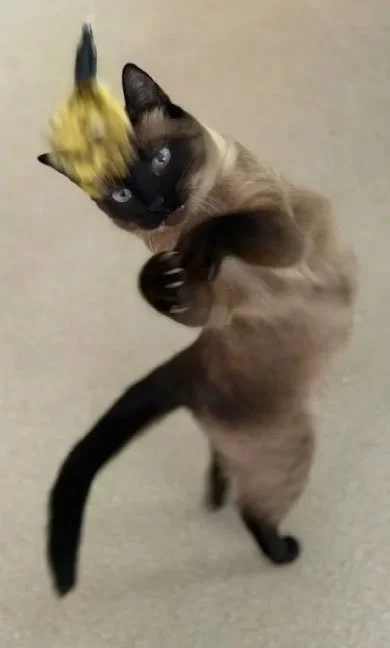
A quick 10–15 minute play session before work, during lunch, or between meetings can make a huge difference. Toss a ball, play tug, or bring out the laser pointer or feather wand. Those short bursts of activity help burn energy and reduce the chances of your pet inventing their own entertainment (like redecorating your living room).
3. Give Them a Window to the World
Many pets love watching birds, squirrels, neighbors, and passing cars. Set up a comfy perch for your cat or a cozy bed near a window for your dog. You can even add a bird feeder outside to create your own version of pet TV. Some pets also enjoy a little background entertainment. Try calming music, nature sounds, or pet TV featuring birds, squirrels, or fish. It can provide extra stimulation, especially if they're home alone for part of the day.
4. Make the Backyard an Adventure
If you have a fenced yard, hide a few treats, scatter toys, or create a simple obstacle course for your dog to explore. For cats, a secure catio or supervised outdoor time can offer exciting new sights, sounds, and smells.
5. When in Doubt... Call in the Fun Squad!
Some workdays are packed with meetings, deadlines, and zero wiggle room—and that's where we come in! Let Glad Wags swoop in for a midday adventure. Whether your pup is ready to stretch those legs on a fun walk or your feline friend deserves a check-in, cuddles, and care, we'll keep tails wagging and whiskers happy while you're busy conquering your inbox. Your pets get a break, you get peace of mind, and everyone wins. That's what we call a paws-itively productive workday!
Why cats meow at you (but not each other)
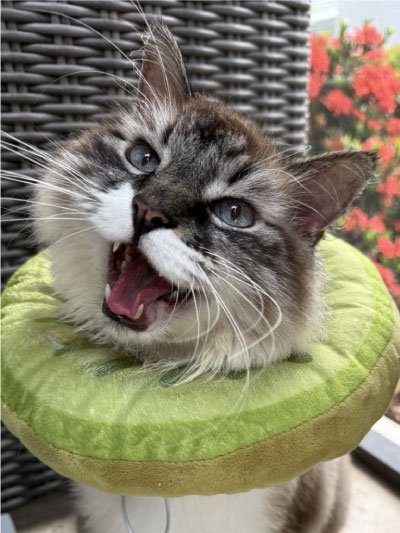
Ever notice how your cat seems to “talk” to you all day, but stays quiet around other cats? That’s because the classic meow is basically a language cats developed just for humans. Adult cats rarely meow at each other; they mostly communicate through body language, scent, and subtle sounds. But humans? Cats learned that a loud, clear “meow!” gets our attention fast.
It Starts When They’re Kittens
Kittens meow constantly—to their moms. It’s their way of saying things like:
“I’m hungry.”
“I’m cold.”
“Where are you?”
Most adult cats eventually stop doing this with other cats. But when they move in with humans, they basically decide:
“Okay, this human is my new mom.”
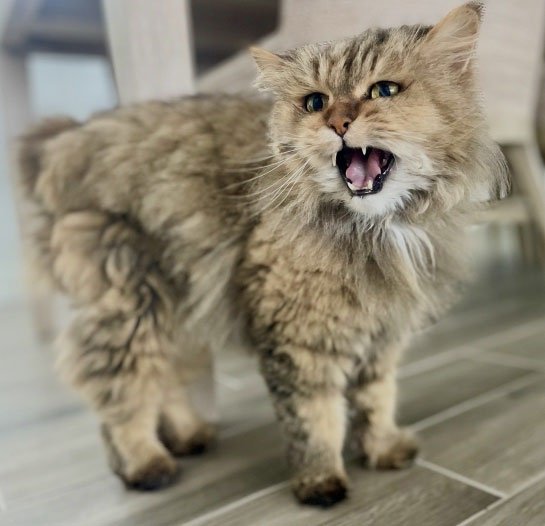
Should you talk back to your cat when they meow?
Talking back to your cat when they meow can be helpful. Responding to their meows can strengthen the bond between you and your pet. When you engage with your cat by talking to them, it encourages positive communication and helps your cat feel heard and understood.
Cats are very good at changing their behavior and the way they communicate so they can interact with humans. Even though people often think cats are distant or uncaring, this isn’t true. Cats try to understand the people they live with and adjust their actions so their needs can be met. Research has also shown that cats can recognize and respond to human emotions.
Over time, cats have learned that a well-timed “meow” often leads to food, playtime, or a little extra affection, making it their favorite way to talk to us.
References: